NSA Global

  • Full Screen
  • Wide Screen
  • Narrow Screen
  • increase font size
  • Default font size
  • decrease font size
  • BHP1
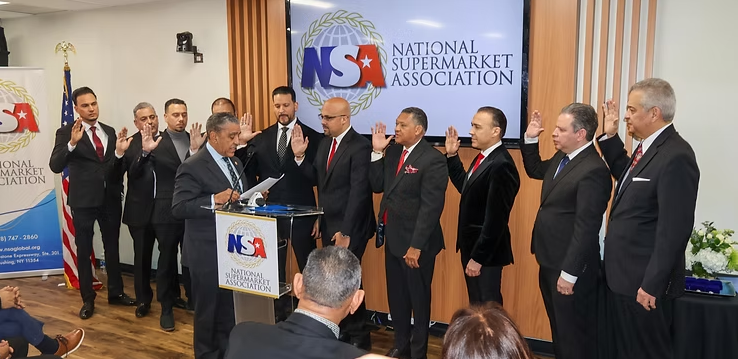
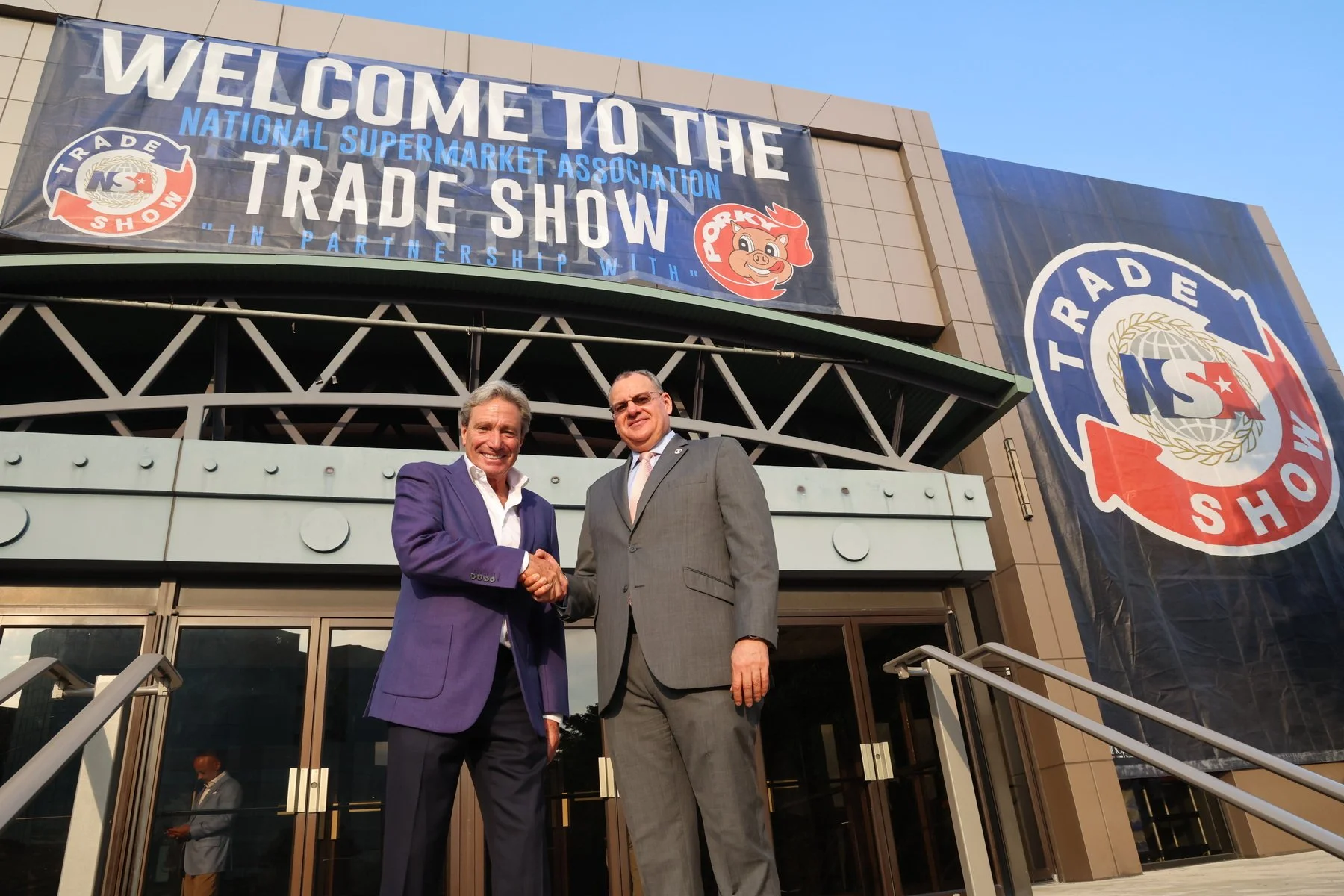
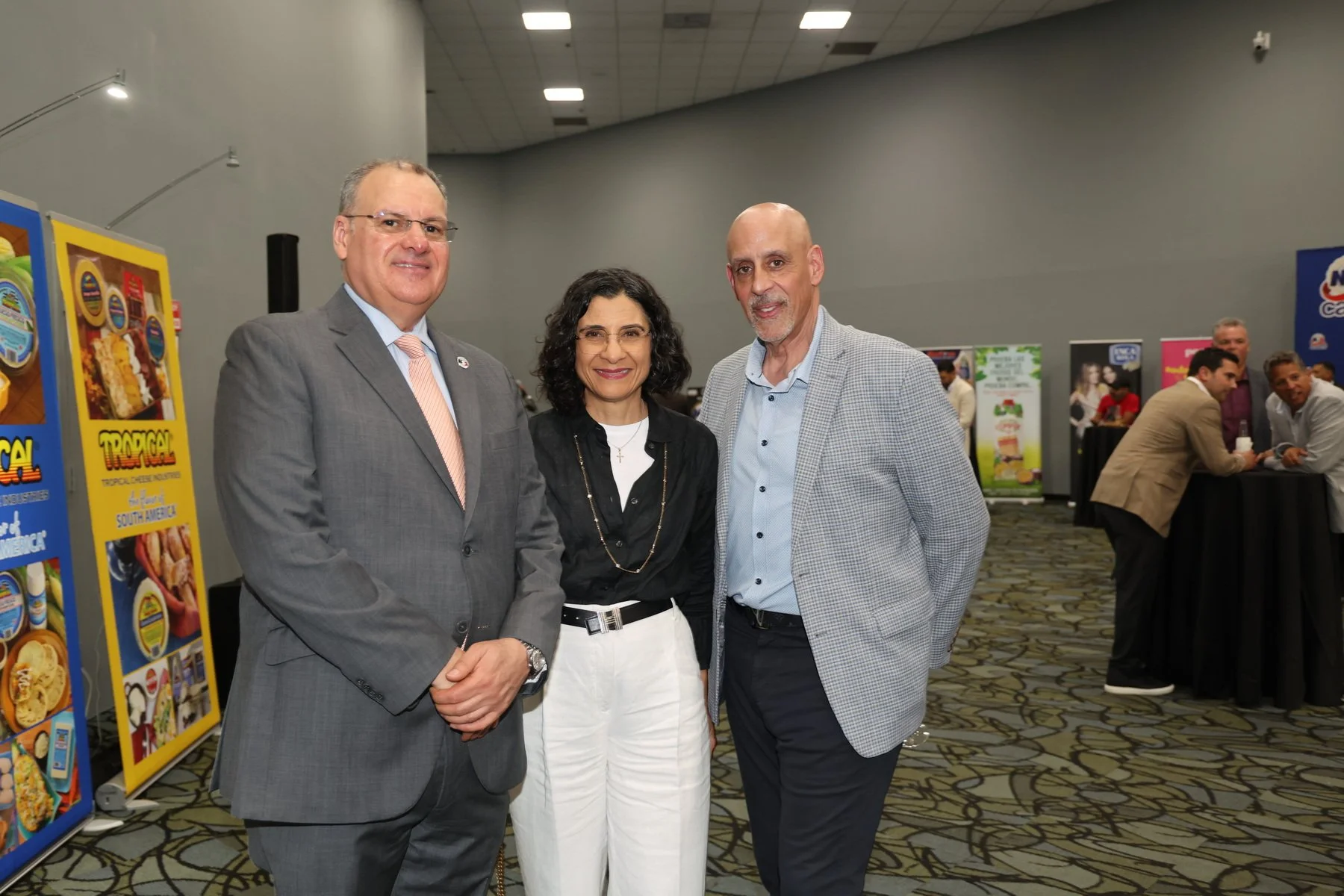
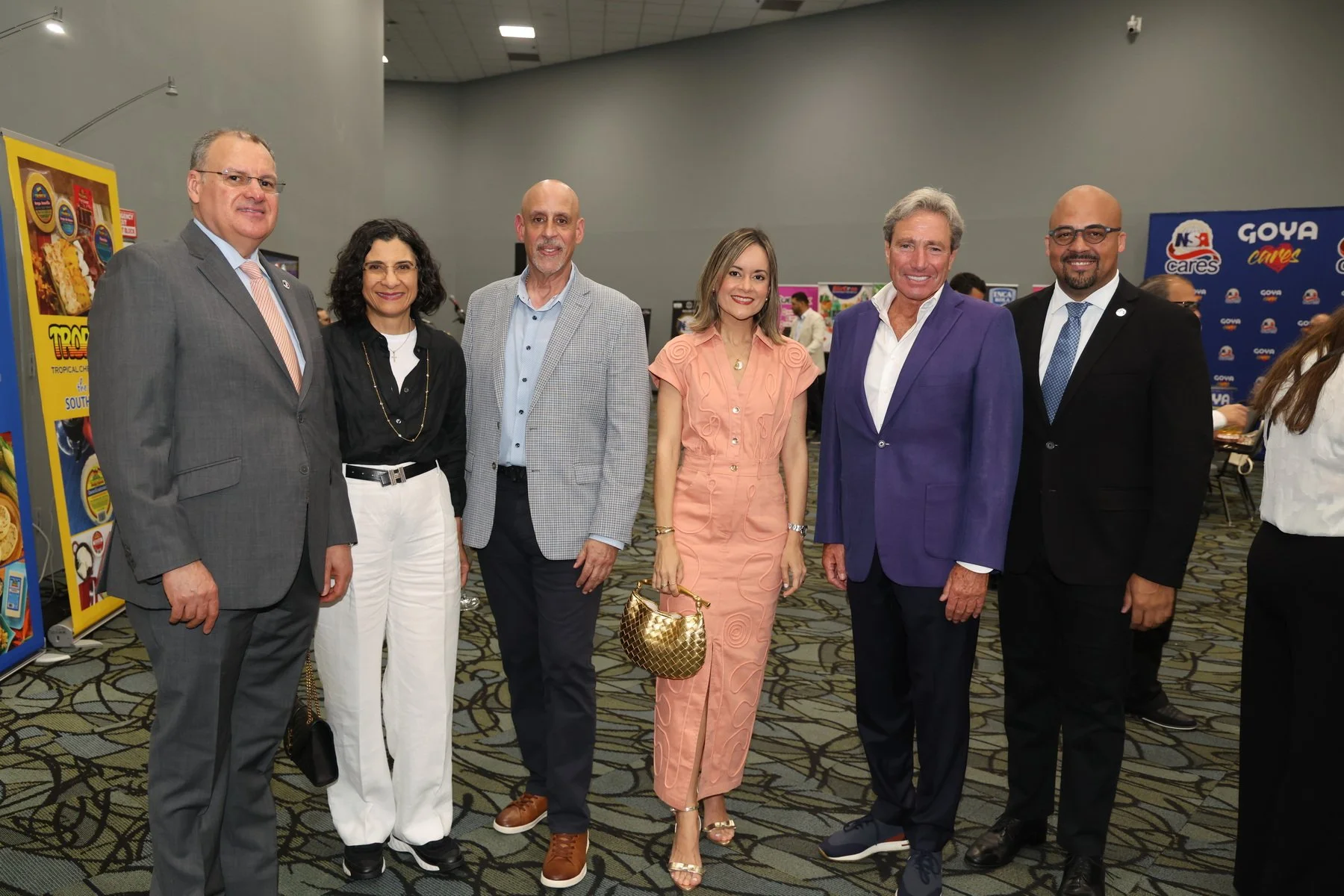
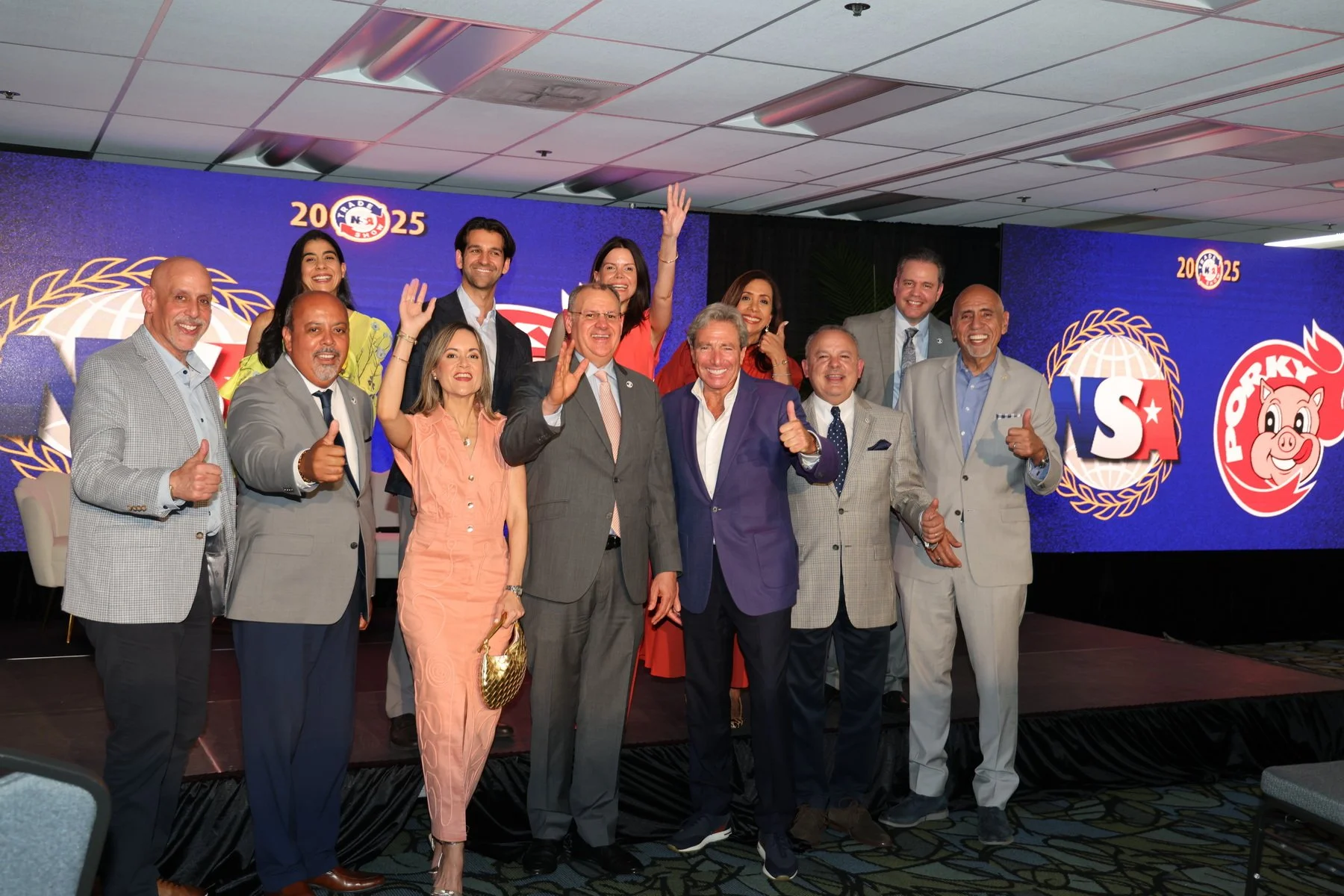
    Founded in 1989, the NSA is a trade association that represents the interest of independent supermarket owners in New York and other states throughout the East coast.
  • BHP2
    Current membership represents approx. 400 supermarkets .
  • BHP3
    Most members are of Hispanic descent, and their stores are predominantly located in minority neighborhoods.
  • BHP4
    In the last decade, the NSA Scholarship Foundation has granted close to one million dollars in educational scholarships to deserving underprivileged students from neighborhoods served by our members.


GOVERNMENT SIGNS AGREEMENT TO INCREASE EXPORTS OF DOMINICAN PRODUCTS TO THE U.S.

January 15, 2013

The Dominican government signed an agreement with the National Supermarket Association (NSA) with the objective of increasing exports to New York and Florida.

The information was released by the director of the Center for Export and Investment of the Dominican Republic (CEI-RD), Jean Alain Rodriguez, during a press conference in the Orlando Martinez Room of the National Palace, together with the directors of the NSA.

The officer explained that the agreement is part of the plans and projects on the exporting field developed by the CEI-RD.

Rodriguez explained that both the Government, through the CEI-RD, and the NSA commit to making the necessary market research to identify niches, products, producers, purchase volumes and prices.

Also to manage financing for refrigeration equipment, the creation of an information center for farmers, and technical assistance to achieve the required phytosanitary approvals of the Food and Drug Administration (FDA) of the United States.

He revealed that President Danilo Medina authorized the disbursement of funds for the execution of the market research in the shortest time possible.

The CEI-RD director said that the entity is committed to also identify and bring together local producers that qualify as potential exporters, and facilitate the technical assistance of the Dominican Agricultural-Business Board (JAD), the Special Fund for Agricultural Development (FEDA), of the Dominican Association of Rum Producers (ADOPROM), and of the Dominican Association of Brewers, among others.

The NSA gathers 400 supermarkets in the East Coast of the United States, which together make purchases for more than 8 billion dollars annually.

For his part, NSA President, David Corona, said that the association has the platform that is necessary to increase Dominican exports to the U.S.

"We celebrate the beginning of a new phase in which both sides have the firm intention to accelerate Dominican exports to the United States, and strengthen such products in U.S. markets, starting with the tri-state area of ​​New York" , said the Dominican businessman based in U.S. territory.

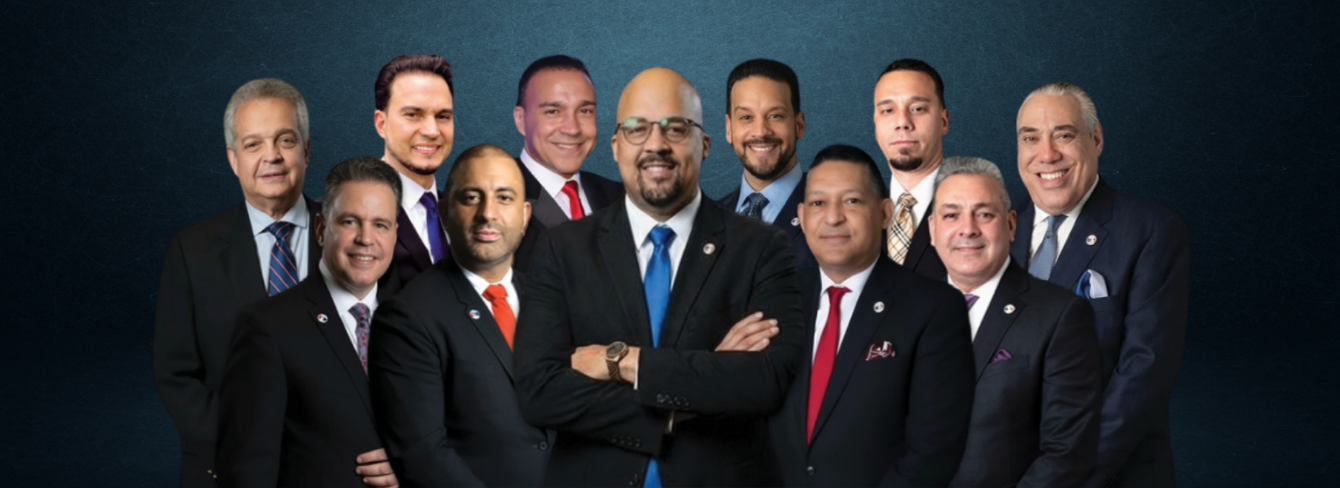
Besides Rodriguez and Corona, the press conference was attended by Zulema Wiscovitch, Jimmy Rodriguez, William Rodriguez, Nelson Eusebio, Rodolfo Fuertes, Julio Cohen, Alfredo Rodriguez and Ruben Luna, who were accompanied by the Dominican Consul in New York, Felix Antonio Martinez.

To read the article in Spanish click here.

WHAT COLUMBUS NEVER IMAGINED

by Ariel Dorfman *

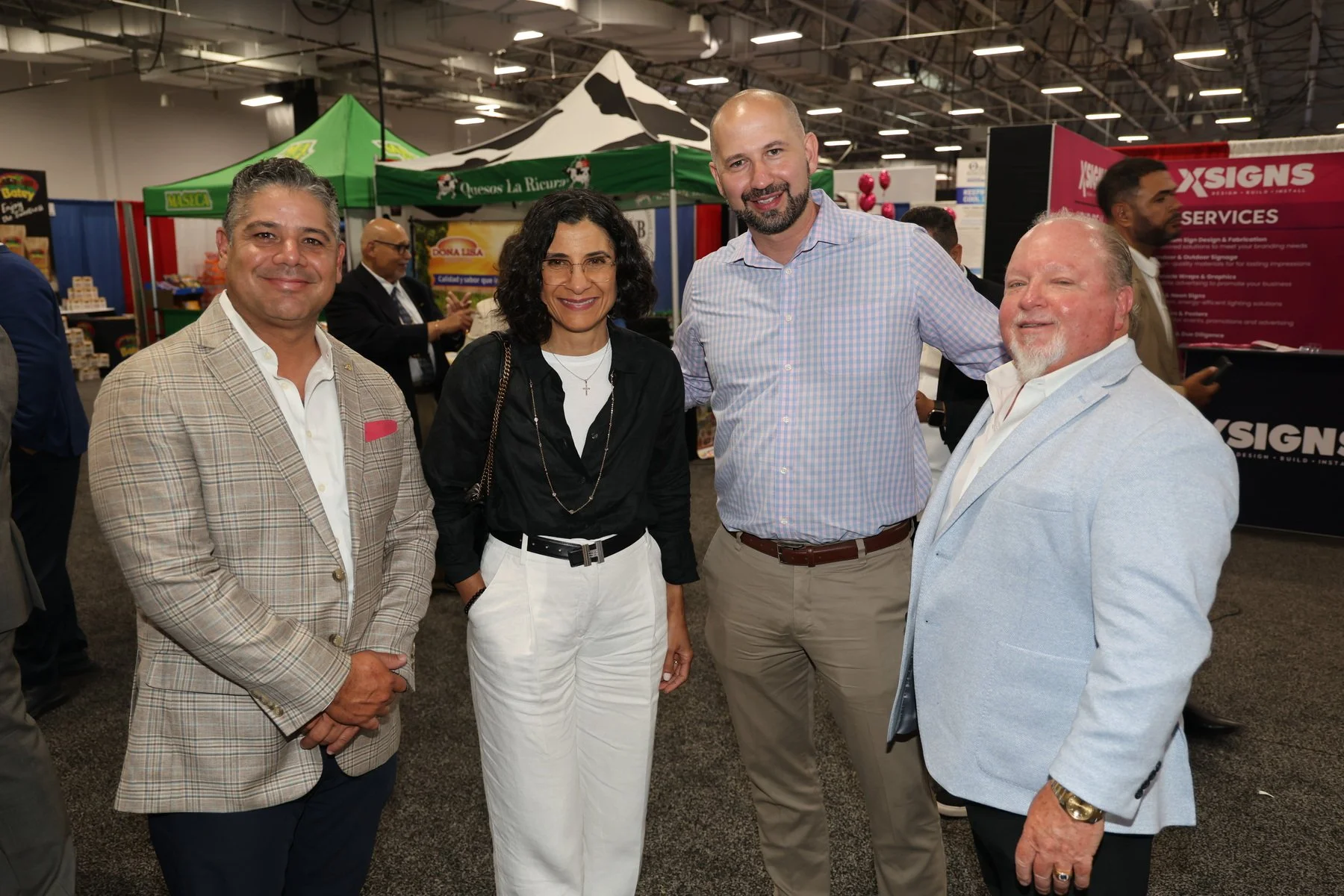
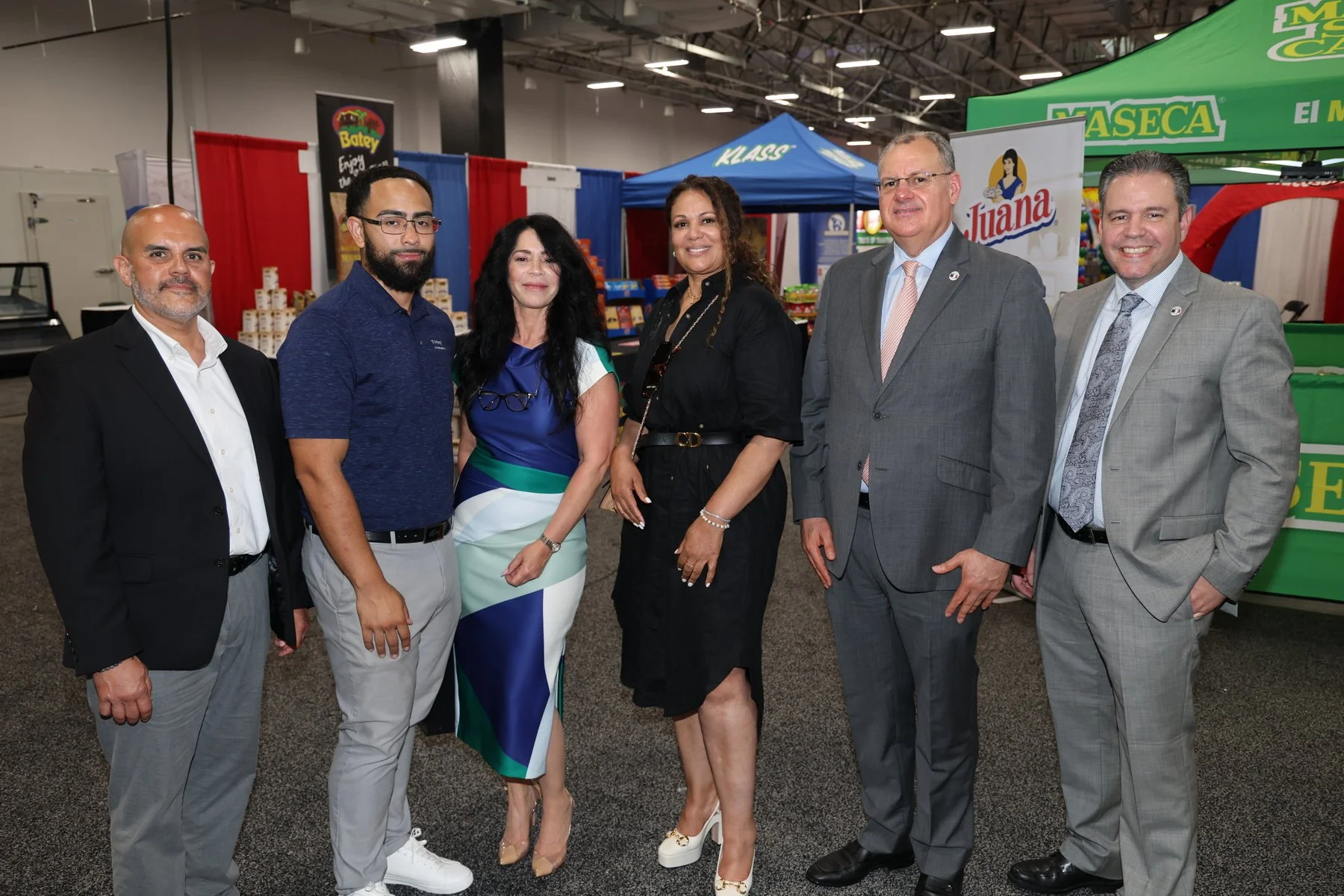
Compare SupermarketThere is a store I visit from time to time, for convenience’s sake or to indulge in nostalgia, where I can find all of Latin America on display.

Under the roof of one vast supermarket I savor the presence of the continent where I was born, go back, so to speak, to my own plural origins. On one shelf, Nobleza Gaucha, the yerba mate my Argentine parents used to sip every morning in their New York exile -- my mother with sugar, my father in its more bitter version. Even to contemplate the bag that this grass herb comes in, allows me to recall how anxiously mi mamá y mi papá awaited shipments from the authoritarian Buenos Aires they had escaped in the forties. A bit further along in the store, I come upon leche condensada en una lata, the sort I would sip from a can on adolescent camping trips into the mountains of Chile, where my family moved when I was twelve. And nearby, a tin of Nido, the powdered milk my wife Angélica and I first fed our son Rodrigo as a baby, almost half a century ago in Santiago. Or Nesquik para niños, the chocolate we relied on to sweeten the existence of our younger son Joaquín, when he accompanied us back to Chile after many years of exile from Pinochet’s dictatorship.
Origins, however, are never merely personal, but deeply collective, and especially so for Latin Americans such as myself, who feel an entrañable fellowship with natives from other unfortunate countries of our region. A stubborn history of thwarted dreams has led to a shared sense of purpose and sorrow, hope and resilience,  which joins us all emotionally, beyond geographic destiny or national boundaries. To stroll up and down the grocery aisles of that store is to reconnect with the people and the lands and the tastebuds of those brothers and sisters and to partake, however vicariously, in meals being planned and prepared at that very moment in millions and millions of homes everywhere in the hemisphere. There is canela from Perú and queso crema from Costa Rica and café torrado e moido (O sabor do campo na sua casa) from Brasil. There is coconut juice from the Caribbean and frijoles of every possible and impossible variety and maíz tostado from Mexico and bunches of fresh apio/celery from the Dominican Republic (they look like tiny twisted idols) and hierbas medicinales para infusiones from who knows where, and albahaca and ajonjoli and linaza and yuca and malanga and chicharrones de cerdo and chicharrones de harina.

If you were to go to Sao Paolo or Caracas or Quito, if you were to try to shop for this assortment of staples or delicacies in San Salvador or La Paz or Bogotá, if you were to ask in any major or minor city of Latin America where you might be able to pick your way through such a plethora of culinary choices in one location, you would be told that a place like that does not exist anywhere in that country. There is no shop in Rio de Janeiro, for instance, that next to an array of carioca fare would allow you to select among eighteen multiplicities of chile peppers and buy Tampico punch and sample some casabe bread.

Read more...

MIGRANTS KEEP SMALL-BUSINESS FAITH

The study confirms that business ownership remains a favored way to earn a living among immigrants. The latest surge in immigrant business owners began in the 1980s, when the country experienced a large wave of newcomers from Latin America and Asia.

The study downplays the role of immigrant-founded technology titans, such as Yahoo Inc. and Google Inc. Like a century ago, immigrant firms remain more likely to be mom-and-pop stores, which thrive despite the predominance of big-box retailers and the growth of online shopping.

"A bigger part of the immigrant business story is still the bread-and-butter grocery store, restaurant and retail shop, as well as doctors' offices, taxi services and dry cleaners," said David Kallick, principal author of the FPI report.

Traditionally, immigrants established businesses in enclaves of big cities that boast large populations from the same country, making it possible to operate with little or no English.

But in the past decade or so, many Asian and Latin American newcomers have rooted ethnic eateries and grocery stores in small towns in the U.S. heartland. In Schuyler, Neb., a meatpacking town of just 6,211 people, Mexican and Guatemalan immigrants have flocked to B Street, transforming a neighborhood where storefronts had stood vacant for years

"Our downtown is mostly immigrant businesses now," said Mayor David Reinecke. "If they weren't here, we'd be dying."

Delfino Bello emigrated from Mexico unable to speak English. Now, he runs three popular Mexican restaurants about 40 miles from Chicago.

In 1995, Mr. Bello opened his first eatery, called "El Faro," in a shopping strip in Bartlett, Ill., that had fallen on hard times. As the taqueria flourished, it attracted other businesses. A few years later, he opened restaurants in Elgin and East Dundee, serving a clientele that includes both immigrants and Americans.

"I had nothing, nothing when I arrived in this country," said Mr. Bello, 55 years old. If the economy continues to recover, he says he plans to open a fourth restaurant.

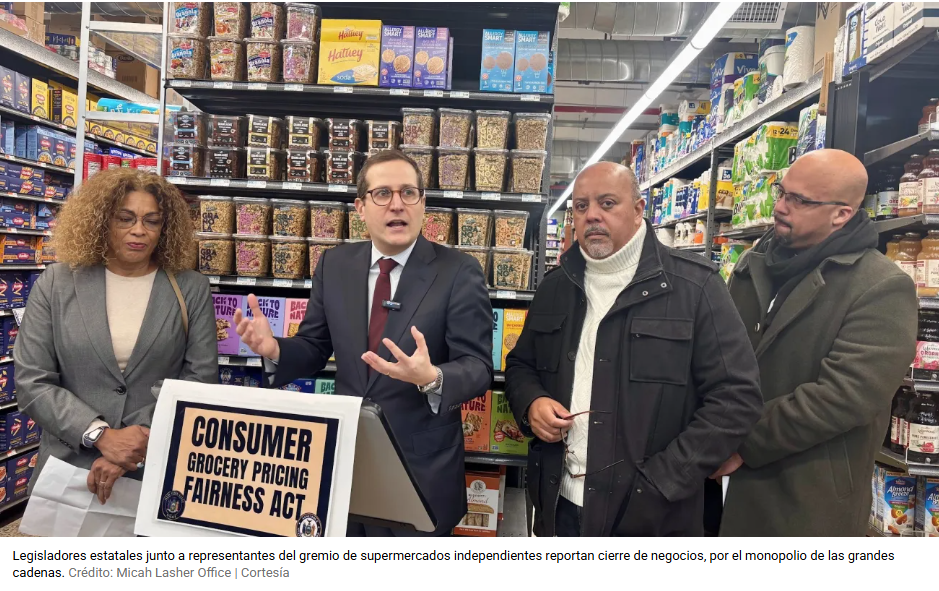
National Supermarket Association represents independent supermarket owners, including many Dominican immigrants who started as small grocers in New York's Hispanic neighborhoods. Now, many have found a niche by moving into non-immigrant, low-income areas in the city and beyond.

"They're not small businesses anymore," said Ramona Hernandez, a professor at the City College of New York who studies Dominican entrepreneurship. "They're chains that move billions of dollars each year."

The FPI study found that immigrants concentrate in some industries, such as taxi services, dry cleaners and gas stations. They also have a large presence in lodging and restaurants.

Mexicans, the single largest group of immigrants, own the greatest number of immigrant-owned small firms. They are followed by immigrants from India, Korea, Cuba, China and Vietnam.

Immigrants from countries with relatively small numbers in the overall population, such as Greece, are disproportionately more likely to own businesses, while immigrant women are twice as likely as U.S.-born women to be business owners.

The FPI found that the largest number of Indian-born small-business owners are in education, health and social services, followed by leisure and hospitality and computers and technology.

In the medical field, Indians have helped offset a shortage of primary-care doctors and dentists in some parts of the U.S.

India-born dentist Savpreet S. Dhami and his family moved to Cortland, N.Y., 35 miles from Syracuse, in 2005, where he joined an Indian-owned practice. After six years, Dr. Dhami, 48, got a $600,000 bank loan and bought a practice from a retiring dentist in nearby Cicero. Since opening in December, he has more than doubled his staff and recently invested in a $30,000 digital x-ray machine

Dr. Dhami says he hopes to bring another dentist into the practice, and in three or four years he hopes to open another practice. "Only in America can you become owner of a business like this," he said.